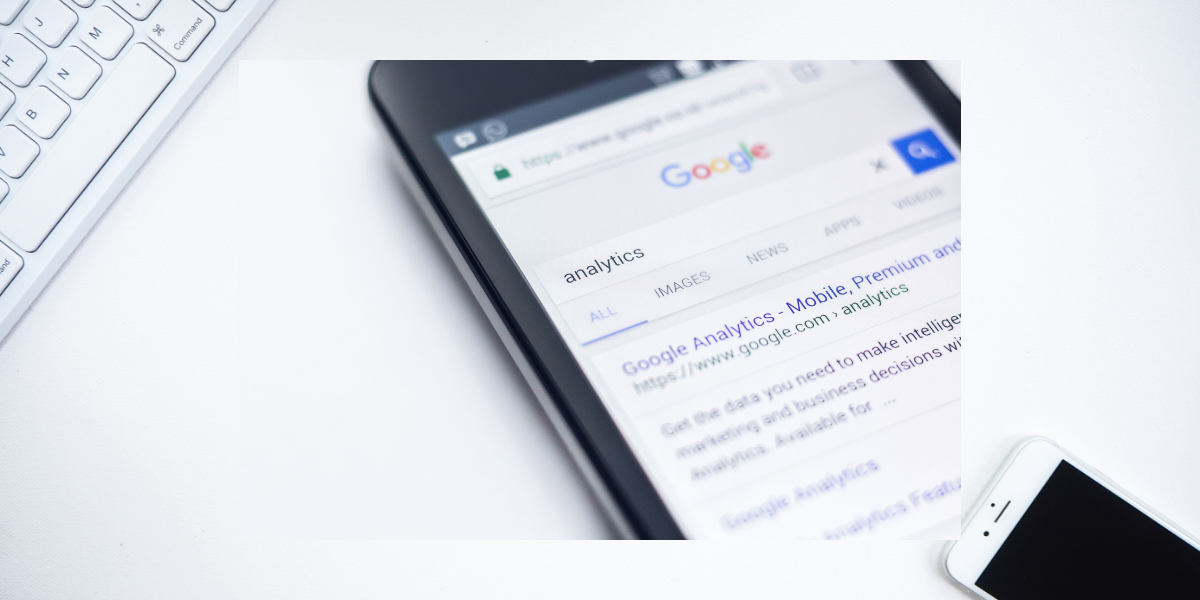
Google Ads in 2026: A Complete Guide to Growing Your Business with Paid Search
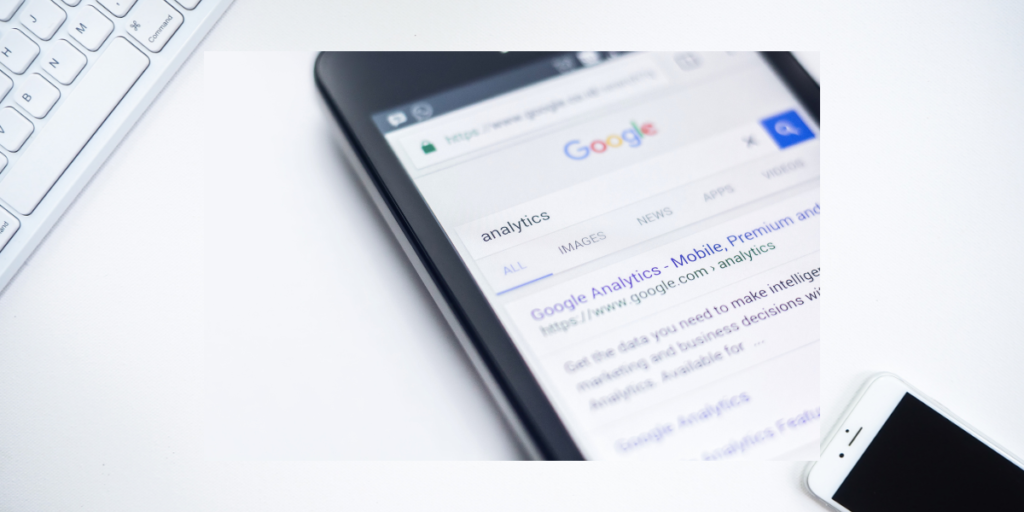
Google Ads is one of the most widely used online advertising platforms for businesses that want to reach potential customers at the moment they are searching for products or services. Unlike traditional advertising, where businesses show advertisements to a broad audience, Google Ads allows businesses to reach people based on what they search for, where they are located, and what actions they are likely to take. For small businesses, startups, service providers, e-commerce companies, and established brands, Google Ads can be an effective way to generate website traffic, leads, phone calls, and sales. However, successful Google Ads campaigns require more than simply selecting keywords and setting a budget. Businesses need a clear strategy, relevant advertisements, strong landing pages, accurate conversion tracking, and continuous optimization.
What Is Google Ads?
Google Ads is Google’s online advertising platform that allows businesses to promote their products and services across Google’s advertising network. Search campaigns can show advertisements when users search for relevant keywords, while other campaign types can help businesses reach potential customers across Google’s wider ecosystem. Depending on the campaign and business objective, advertisements can appear in Google Search results, YouTube, websites, apps, Google Maps, and other placements. Advertisers generally pay based on interactions or other campaign-specific objectives, depending on the campaign type and bidding strategy. The main advantage is that businesses can control their advertising budget and measure campaign performance.
Why Google Ads Is Important for Businesses
One of the biggest advantages of Google Ads is search intent. When someone searches for a product or service, they may already have a specific need or problem they want to solve. For example, someone searching for “digital marketing agency in Bangalore” may be actively looking for a service provider. Showing a relevant advertisement at that moment can help a business reach a potential customer when purchase intent is relatively high. Google Ads can therefore be especially useful for businesses that want measurable results such as enquiries, bookings, calls, or online purchases. It can also help new businesses gain visibility while they are building their organic search presence through SEO.
Choosing the Right Google Ads Campaign
Google Ads offers different campaign types designed for different marketing goals. Search campaigns are commonly used to reach people actively searching for specific products or services. Display campaigns can help businesses reach audiences across websites and apps with visual advertisements. Video campaigns can be used to promote businesses through YouTube and other video placements. Shopping campaigns are particularly useful for e-commerce businesses that want to showcase products to potential customers. Depending on the business and campaign setup, advertisers can also use automated campaign solutions designed to reach customers across multiple Google properties.
Choosing a campaign type should start with the business objective. A company looking for local service enquiries may need a different strategy from an e-commerce store trying to increase online purchases. Defining the desired outcome before creating the campaign helps advertisers choose suitable settings and performance measurements.
Keyword Research for Google Ads
Keywords are an important part of search advertising because they connect user searches with advertisements. Businesses should research the terms potential customers are likely to use when searching for their products or services. Keyword research should consider search intent, relevance, competition, and the expected value of a customer. Not every high-volume keyword is necessarily valuable. A keyword may generate thousands of searches but produce few conversions if it does not match the business offering.
Advertisers should also consider negative keywords. Negative keywords can help prevent advertisements from appearing for searches that are irrelevant to the business. For example, a company selling premium professional services may want to exclude searches related to free services or unrelated products. Regularly reviewing search terms can help advertisers identify opportunities for new keywords and negative keywords.
Writing Effective Google Ads
A successful advertisement should clearly communicate why a potential customer should choose the business. Headlines and descriptions should be relevant to the user’s search and highlight important benefits, services, offers, or differentiators. Instead of using vague statements, businesses should provide specific information that helps users understand what they can expect.
For example, a digital marketing agency could communicate services such as SEO, Google Ads management, website development, or lead generation. A strong call to action can encourage the user to take the next step, such as requesting a consultation, booking an appointment, contacting the business, or purchasing a product. Advertisements should always accurately represent the landing page and the actual service or product being offered.
Landing Pages and Conversion Rates
Getting a click is not the final goal of most Google Ads campaigns. The landing page must convert that visitor into a meaningful action. A good landing page should be relevant to the advertisement, easy to navigate, mobile-friendly, fast-loading, and focused on the customer’s needs.
For example, if an advertisement promotes “SEO services for small businesses,” sending users to a generic homepage may create unnecessary friction. A dedicated SEO service page can provide more relevant information and a clear enquiry form or call-to-action button. The closer the connection between the search query, advertisement, and landing page, the more consistent the user’s experience can be.
Google Ads Budget and Bidding
Budget management is another important part of paid advertising. Businesses should determine how much they can reasonably invest based on their objectives and expected customer value. A campaign should not be judged only by how much it spends. Instead, advertisers should consider the relationship between advertising costs and business results.
Google Ads provides different bidding approaches depending on campaign objectives and available data. Automated bidding can use Google’s systems to optimize bids toward goals such as clicks, conversions, or conversion value. However, advertisers still need to provide accurate conversion data and appropriate campaign settings. Poor tracking can lead to poor optimization because the system may not have reliable information about which actions are valuable.
Conversion Tracking Is Essential
Conversion tracking allows businesses to measure what happens after someone interacts with an advertisement. Depending on the business, conversions could include purchases, form submissions, phone calls, bookings, registrations, or other valuable actions. Without reliable tracking, it becomes difficult to understand which campaigns, keywords, advertisements, or audiences are producing business results.
Businesses should define their most important conversions before launching campaigns. This helps them evaluate performance based on actual outcomes instead of relying only on impressions or clicks. A campaign generating many clicks but no qualified leads may need a different strategy from a campaign generating fewer clicks but valuable customers.
Common Google Ads Mistakes
Several common mistakes can reduce Google Ads performance. Running campaigns without clear goals, targeting irrelevant keywords, ignoring negative keywords, using weak advertisements, sending visitors to poor landing pages, and failing to track conversions can all waste advertising budgets. Another mistake is making frequent changes without enough performance data. Advertisers should give campaigns appropriate time to collect information and then make structured adjustments based on evidence.
Businesses should also avoid assuming that the lowest cost per click automatically means the best campaign. A cheap click has little value if it does not produce a relevant visitor or customer. The focus should ultimately be on meaningful business outcomes.
How to Improve Google Ads Performance
Improving Google Ads performance requires continuous testing and optimization. Advertisers can review search terms, analyze conversion data, test different advertisements, improve landing pages, adjust targeting, refine keywords, and evaluate bidding strategies. Performance should be reviewed against the campaign’s original objective.
For example, if the goal is lead generation, cost per qualified lead and lead quality may be more important than simply increasing traffic. If the goal is e-commerce sales, conversion value and return on advertising spend may be more meaningful measurements. This business-focused approach helps companies make better decisions about their advertising budget.
Conclusion
Google Ads can provide businesses with a powerful way to reach potential customers when they are actively searching for products and services. However, successful paid search requires a complete strategy that connects keywords, advertisements, landing pages, conversion tracking, budgets, and optimization. Businesses should focus on relevance and customer intent rather than simply trying to generate the largest possible number of clicks. By monitoring meaningful conversions, improving campaigns based on data, and continuously testing new approaches, businesses can use Google Ads more effectively to generate leads, sales, and long-term growth. In 2026, Google Ads should be considered an important part of a broader digital marketing strategy that works alongside SEO, content marketing, social media, branding, and website optimization.